For Scaffolding Supplies We Offer Collections & Deliveries
Free scaffold quotations and site visits are available, with flexible hire periods.
We also sell scaffolding and building supplies. Delivery or collection is available.
Delivery costs
Checkout to get your delivery cost
Click & Collect
Based in West Sussex
5-Star Reviews
Trusted by customers
Trade Pricing
Discounts on large orders
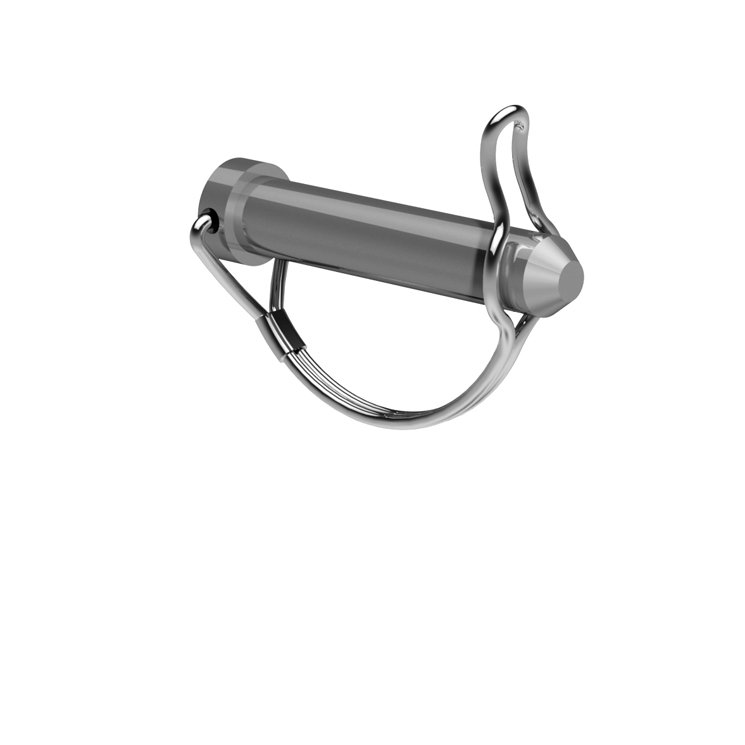
Beam Spigot 60mm Spring Clip
£1.51 ex. VAT
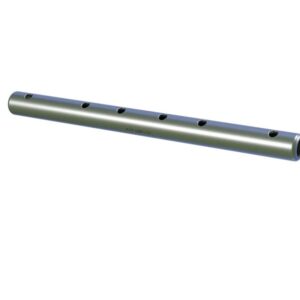
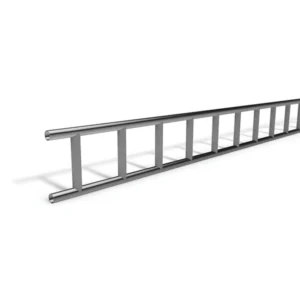
The Spring Clip M12 x 60 Round is a high-quality slotted tension pin designed for secure, flexible fastening of 6-hole spigots for end-to-end joints of 450mm aluminium lattice beams when bridging or spanning large areas. Made from durable high-carbon steel with a smooth round finish, it measures 12mm nominal diameter (actual 12.28–12.55mm for expansion) and 60mm long. When driven into a drilled hole, it compresses and then springs outward, creating a tight, vibration-resistant fit. Lightweight at just ~0.025kg, it features 2mm chamfered ends for easy insertion and meets ISO 8752 standards. Ideal for quick, reliable connections that stay put under movement or load.
This pin offers natural tension that outperforms rigid fasteners in dynamic applications. It aligns parts precisely, absorbs shocks, and allows disassembly without damage, perfect for reusable setups. Professionals and DIY users appreciate its simplicity, cost savings, and dependable performance in harsh conditions.
Specifications
Specification
Details
Diameter
12mm nominal (expands to 12.28–12.55mm)
Length
60mm
Material
High-carbon steel (plain or black oxide finish)
Weight
~0.025kg
Hardness
458–560 HV
Chamfer
2mm both ends
Recommended Hole Size
12–12.18mm
Standards
ISO 8752, ASME B18.8.4M
Typical applications
Widely used in scaffolding to secure beam spigots, in automotive and machinery for shaft/hinge alignment, and in manufacturing or furniture assembly. It excels wherever vibration-resistant, reusable fastening is needed.
Safety & compliance
Always wear gloves and eye protection when installing—use a hammer or insertion tool for controlled force. Conforms to ISO 8752 and ASME B18.8.4M for quality and performance; RoHS compliant. Regularly inspect high-stress uses to ensure safety.
Frequently asked questions
What’s it made of?
It’s manufactured from high-carbon spring steel, which provides excellent strength, elasticity, and wear resistance. Stainless steel versions are also available for applications in wet or corrosive environments.
How do you install it?
To install a spring pin, insert the spigot fully into the beam and align the holes. Push the 60 mm spring pin through the beam and spigot, then tap it in with a hammer until it sits flush. Repeat for the second pin. Once the second beam is fitted, install two further pins on that side to fully secure the joint.
Can this pin be reused?
Yes, in most cases it can be reused. Carefully remove it, and inspect for any deformation or cracking. If it remains undamaged, it will retain its spring tension for repeated use.
How many M12 x 60 Spring Pins do I need per spigot connection for beams?
It depends on the beam type and engineering specs, but most standard alloy or scaffold beam spigots feature multiple holes (often 6 total—3 per side). Industry practice recommends using at least 4–6 pins per joint (2–3 per side of the spigot) to distribute load and provide redundancy evenly. For heavier-duty or suspended applications, consult a structural engineer to confirm the exact number and placement needed to meet safety and load requirements.
Is the Spring Pin M12 x 60 Round a suitable alternative to bolts for spigot beam connections?
Yes, it’s a popular quick-release alternative to M12 bolts and nuts. The spring pin installs faster with only a hammer or an insertion driver, provides vibration resistance, and allows easier disassembly when needed. It offers excellent shear strength for typical beam-to-beam joints in scaffolding or roofing systems. However, in high-tension or critical-load scenarios, some setups prefer bolted connections, always verify compliance with your project’s design specs or local regulations for safety.
Reviews
There are no reviews yet.
Be the first to review “Beam Spigot 60mm Spring Clip” Cancel reply




Reviews
There are no reviews yet.