What is a scaffold beam?
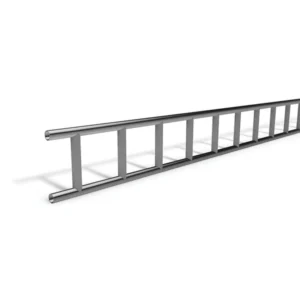
Scaffold beams are prefabricated structural components made of high-strength aluminium or steel that provide support or bridge and span obstructions.
What are scaffold beams typically used for?
Scaffolding beams facilitate a wide range of applications, including:
General scaffolding: They can be used for spanning scaffolding structures when vertical tubes cannot be placed on the ground.
Structural modifications: They are used to create openings and bridges while distributing the loads.
Specialised platforms: They are installed for suspended and mobile platforms, birdcages, and crash decks.
Large-scale structures: Used to support large-span bridging and temporary roofing.
Access solutions: Creates access structures where conventional scaffolding is impractical.
Entertainment industry: They are used for a variety of film and TV production sets that require lighting and rigging.
What are scaffold beams made from?
Scaffold beams are primarily made from two materials:
Steel: Renowned for its exceptional strength and robust load-bearing capabilities, steel scaffold beams are the ideal choice for demanding, heavy-duty applications. Constructed from a variety of steel grades and typically galvanised for enhanced corrosion resistance, it ensures long-lasting performance.
Aluminium: This metal offers a lightweight solution without compromising strength. Aluminium scaffold beams are easier to manoeuvre and transport than their steel counterparts. Their natural corrosion resistance, coupled with the use of high-strength aluminium alloys such as 6061 T6 or 6082 T6, ensures long-lasting performance.
Project needs, including load capacity, weight, and environmental factors, dictate the choice between steel and aluminium scaffold beams.
What are the safety considerations when using scaffold beams?
Safety considerations include ensuring the beams are correctly installed, regularly inspected for damage, and used within their load capacity limits. Workers should also be trained in safe scaffold use and wear appropriate personal protective equipment (PPE).
How are scaffold beams connected?
Scaffold beams are connected using a variety of specialised techniques.
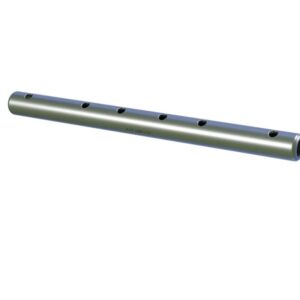
Spigots: These are specialised connectors designed to fit precisely within the ends of scaffolding beams, enabling the creation of extended spans. They are secured with spring clips for reliable strength, and spigot connections are a hallmark of engineered aluminium beam systems.
Scaffolding couplers: These include right-angle double couplers and swivel configurations, which are used to connect scaffolding tubes to beams, enabling angular flexibility. These components establish a secure interface between the scaffold beams and the supporting scaffolding superstructure.
What is the purpose of scaffold bridging?
Bridging involves adding horizontal scaffold beams between scaffolds without the need for vertical legs, significantly improving stability. This technique ensures even load distribution and minimises deflection, thereby reducing the risk of structural collapse.
What types of scaffold beams are available?
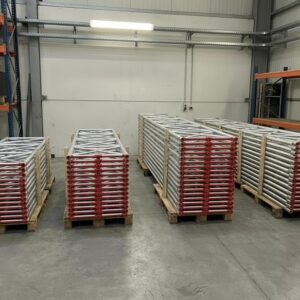
Scaffold beams are available in diverse forms, notably steel and aluminium, each offering unique advantages. Steel beams provide exceptional strength, while aluminium beams boast lightweight construction and corrosion resistance. We sell the following: steel ladder beams, aluminium lattice beams, alloy X-beams, and Asterix alloy beams.
What are the dimensions of scaffold beams?
Depending on whether they’re made of steel or aluminium, scaffold beams vary in size. Steel beams commonly range from 8 to 21 feet in length, while aluminium beams span 4.1 to 8.1 meters. Both types often feature widths of 360, 450, or 750 millimetres.
Can scaffold beams be reused for different projects?
Yes, this product is reusable, allowing it to be utilised on numerous projects. Prior to any reuse, a comprehensive inspection of all scaffold beams is mandatory. This inspection must meticulously assess for any signs of damage, specifically bends or distortions, cracks or fractures, corrosion or rust, and damage to connection points. Any beam exhibiting such defects must be immediately removed from service to ensure safety.
How often should scaffolding beams be inspected?
Regular beam inspections are crucial for ensuring safety and preventing accidents. Recommended inspection times are outlined below:
- Before each use.
- During the erecting and dismantling process.
- Regularly during use.
- After incidents or adverse conditions.
What are the benefits of using an alloy beam in construction?
Aluminium beams offer significant advantages:
- Universal compatibility with scaffolding frameworks.
- 50% weight reduction compared to steel beams.
- 150% strength increase over steel beams.
- Compliance with Eurocode 9 and British standards.
- Robust spigot connection.
- High load-bearing performance.