

Heavy-duty knitted HDPE mesh • Available in multiple colours (green, blue, black, white, orange, red) • 2m & 3m widths (50m rolls) • Fire retardant options for high-risk sites • Contains falling debris, dust & rubble • Wind & weather protection with good airflow • Ideal for scaffolding enclosures, construction safety, site perimeters & pedestrian barriers • UV-stabilised & tear-resistant.
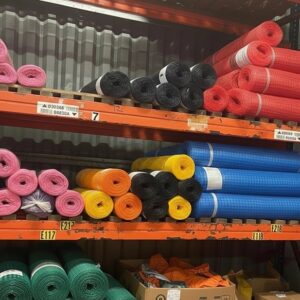

Protect your site, workforce, and the public with premium debris netting from West Sussex Scaffolding. Manufactured from durable HDPE mesh, our debris netting is designed to contain falling debris, dust, small tools, and rubble on construction and scaffolding projects—helping you comply with UK safety standards and minimise on-site risk.
Available in standard and TS62 flame-retardant options, our debris netting is supplied in 50m rolls with practical 2m or 3m widths, making it suitable for a wide range of scaffold heights and coverage requirements. Choose from an extensive selection of colours, including green, orange, black, blue, red, white, and specialist shades.
Ideal for high-rise buildings, pedestrian protection, and controlling wind-blown materials, our netting is tear-resistant, air-permeable (reducing wind-loading), and quick to install using ties or clips. TS62 flame-retardant netting meets essential fire-safety requirements, making it ideal for urban sites, welding works, and higher-risk environments.
We offer nationwide UK delivery, with collection available from our West Sussex depot. For expert advice, call 0800 133 7934 or email office@westsussexscaffolding.co.uk.
Browse our range above to find the right solution—standard debris netting for everyday site protection, or TS62 flame-retardant netting for enhanced fire safety.
Benefit | How Our Debris Netting Helps |
Debris Containment | Catches falling rubble, dust, and tools |
Safety & Compliance | Protects workers and the public; aligns with HSE guidelines. |
Weather & Wind Protection | Reduces wind and dust impact while allowing ventilation. |
Durability | UV-stabilised, tear-resistant HDPE. |
Versatility | Multiple colours/widths; fire-retardant available. |
Cost-Effective | Bulk discounts + nationwide delivery. |
Scaffold debris netting (also known as scaffold mesh or construction debris netting) is a heavy-duty knitted HDPE mesh designed to attach to scaffolding. It helps contain falling debris, dust, rubble, and small tools, improving safety for both workers and pedestrians. The mesh also provides wind and dust protection while allowing airflow, making it ideal for construction, demolition, and renovation projects, as well as perimeter barriers.
We stock debris netting in a wide range of colours, including green, blue, black, white, yellow, orange, pink, purple, and red. Standard widths are 2m and 3m, supplied in 50m rolls. Custom sizes and specifications may be available on request. Please contact us for details.
Yes. We offer flame-retardant debris netting (e.g., TS62-compliant) suitable for high-risk environments, such as high-rise projects or sites near ignition sources, where compliance with fire safety regulations is required.
Yes. All of our HDPE netting is UV-stabilised for long-term outdoor use and manufactured to be tear-resistant, ensuring durability on busy construction sites.
Our debris netting aligns with relevant standards such as BS EN 1263 for temporary works equipment and safety nets (positioning and performance). Fire-retardant versions meet applicable flame-retardancy test requirements. Installation should always comply with HSE Work at Height Regulations and site-specific risk assessments.
Debris netting should be securely fixed to scaffold tubes, standards, or façades using appropriate ties or clips. Where possible, fix the netting to the outer face of the scaffold to reduce wind-loading risks. The maximum gap between the netting and scaffold should not exceed 100mm, and all open sides and ends should be fully enclosed. A competent person and scaffold design calculations should be consulted to ensure compliance with wind and load requirements.
Step | Action | Tips for Best Results |
1 | Measure scaffold area & calculate rolls needed | Add 15–20% for overlaps & waste |
2 | Unroll & inspect netting on the ground | Check for defects/tears before lifting |
3 | Start attachment from bottom up | Reduces sagging; work level-by-level |
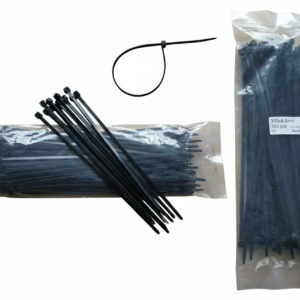
4 | Secure the scaffold using zip ties | Every 60–90cm; max gap ≤100mm to scaffold |
5 | Overlap edges & tension evenly | Prevents gaps; use overlaps on corners |
6 | Trim excess & final inspection | Ensure no loose sections; competent person sign-off |
7 | Ongoing: Weekly checks | Remove accumulated debris to avoid added weight |
Yes. Debris netting helps reduce airborne dust, contains fine particles, and provides partial protection from wind and rain, while still allowing ventilation, unlike solid sheeting.
Yes. We provide fast UK-wide delivery, with collection options available from our West Sussex base.
Feature | Standard Debris Netting | Fire-Retardant (FR) Option |
Material | Heavy-duty knitted HDPE mesh | Heavy-duty knitted HDPE mesh (FR treated) |
Colours Available | Green, Blue, Black, White, Orange, Red | White |
Widths | 2m and 3m | 2m and 3m |
Roll Length | 50m | 50m |
Key Benefits | UV-stabilised, tear-resistant, airflow | + Flame-retardant for high-risk sites |
Ideal For | General construction, site perimeters | High-rise, welding/hot works areas |
Compliance Notes | BS EN 1263 aligned | BS EN 1263 + fire standards |
Feature | Debris Netting (Our HDPE Mesh) | Scaffold Sheeting (Solid) |
Material | Knitted HDPE mesh (permeable) | Solid PVC/polyethylene sheet |
Airflow/Ventilation | Excellent (reduces heat buildup) | Poor (can trap moisture/heat) |
Wind Loading Impact | Low (breathable, less sail effect) | High (increases scaffold stress) |
Debris Containment | Suitable for rubble/tools; partial for fine dust | Excellent (full barrier, even tiny particles) |
Visibility | High (see-through for monitoring) | Low (opaque) |
Weather Protection | Partial (rain/wind reduction) | Full (waterproof enclosure) |
Fire-Retardant Option | Yes (TS62/FR compliant) | Yes (common in FR versions) |
Typical Use Cases | General sites, perimeters, and ventilation are needed | Exposed/high-rise, full dust/weather block |
Installation Ease | Lightweight, quick with ties/clips | Heavier, requires more secure fixing |
Use netting for general containment and ventilation; opt for sheeting in exposed/weather-heavy sites or where complete enclosure is needed. We supply both and can provide advice on your project.
Primarily for debris containment and partial fall arrest (e.g., catching falling tools per BS EN 1263 guidelines); however, it should never be used as a substitute for complete fall-arrest systems, such as harnesses or dedicated safety nets. Always combine with guardrails, toeboards, and risk assessments per HSE Work at Height Regulations. For dedicated personnel safety nets, consult a specialist.
Inspect weekly (or after adverse weather/incidents) per HSE and BS EN 1263 recommendations. Look for tears, fraying, UV degradation, loose fastenings, or accumulated debris that adds weight. Replace if damaged or compromised. Our UV-stabilised HDPE lasts for years with proper care, but site conditions vary.
Yes, it’s durable, tear-resistant, and reusable if stored/cleaned properly (remove debris, avoid sharp folds). Fire-retardant versions retain properties longer in high-risk reuse. Many contractors reuse rolls multiple times; contact us for bulk or repeat-order discounts.
Netting’s permeable design significantly reduces wind resistance compared to solid sheeting, lowering scaffold overturn risks. However, you should always consult a scaffold designer for site-specific wind loads (per BS EN 12811). Secure tightly, avoid excessive sagging, and consider partial enclosure in high-wind areas.