


Checkout to get your delivery cost
Based in West Sussex
Trusted by customers
Discounts on large orders
£80.00 – £105.00Price range: £80.00 through £105.00 ex. VAT
Protect workers, pedestrians, and surrounding areas with our premium TS62-certified flame-retardant scaffold debris netting. Specially designed for scaffolding and temporary structures, this heavy-duty HDPE (high-density polyethylene) mesh provides reliable containment of falling debris while meeting strict UK fire safety requirements.
Checkout to get your delivery cost
Sussex Depote
Trusted by customers
Best prices
Certified to TS62 standards (Warringtonfire-tested reaction-to-fire performance for temporary scaffold cladding), this netting significantly reduces fire propagation risks on construction sites—essential where hot works like welding, cutting, or grinding occur, or in projects involving flammable materials. Unlike standard debris netting, the flame-retardant treatment ensures the material self-extinguishes quickly, helping contain incidents and buying critical time for evacuation or firefighting.
Ideal for residential, commercial, and infrastructure projects across the South East and nationwide. Whether you’re erecting tube-and-fitting or system scaffolding, this netting helps comply with health and safety regulations (including BS 7955 for debris containment and relevant fire safety guidance). Order today from West Sussex Scaffolding for fast delivery, competitive pricing, and expert advice on site setup.
Specification | Details |
Product Name | TS62 Flame Retardant Scaffold Debris Netting |
Roll Length | 50 metres |
Common Widths Available | 2m or 3m (select at checkout) |
Material | High-Density Polyethylene (HDPE), UV-stabilised |
Weight (approx.) | 5.5–8.5 kg per roll (depending on width) |
Colour Options | White – other options may be available |
Fire Certification | TS62 certified (flame retardant, Warringtonfire-approved) |
Additional Compliance | Meets debris containment standards (e.g., BS 7955 compatible) |
Mesh Design | Open weave for reduced wind load |
Installation | Eyelets/reinforcement bands for cable ties or fixings |
Primary Use | Scaffold enclosures, temporary fencing, debris & dust control |
TS62 is a rigorous UK fire performance standard for temporary scaffold materials, developed by Warringtonfire. It ensures the netting resists ignition, limits flame spread, and self-extinguishes, critical for sites with fire hazards.
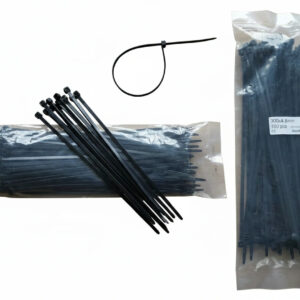
Yes, it’s compatible with both traditional tube-and-fitting and modern system scaffolds. Secure it with cable ties at 1–2 metre intervals for secure attachment.
Standard netting may contribute to fire spread; TS62 flame-retardant versions actively reduce risk, making them mandatory or preferred on many high-risk UK contracts.
Yes, it provides good debris and light dust control thanks to its mesh structure, but for heavy dust suppression, consider Monarflex scaffold sheeting.
Unroll along the scaffold elevation, align with tubes, and fix at multiple points using UV-resistant cable ties. Overlap rolls by 10–20 cm for continuous coverage.
Yes, its durable HDPE construction and UV stabilisation allow multiple uses across projects when appropriately stored and inspected for damage.
It becomes essential on higher-risk sites, such as high-rise buildings, projects over specific contract values (often £2.5m+ or part of larger schemes), areas with hot works (welding, grinding), timber structures, densely populated zones, or where the Joint Code of Practice (JCC) for fire protection on construction sites applies. A site-specific fire risk assessment will determine this; always consult your principal contractor or CDM duty holder. Using certified TS62 netting helps demonstrate due diligence and can protect insurance coverage.
Store rolls upright or horizontally in a cool, dry, indoor area away from direct sunlight, chemicals, oils, or extreme temperatures. Avoid stacking heavy items on top to prevent creasing or compression damage. Temporarily cover with a breathable tarp if outdoors. Proper storage preserves UV stabilisation and flame-retardant treatment; however, you should always inspect before reuse and discard if the material shows brittleness, fading, or odour changes.
Inspect daily (or after high winds/weather events) for tears, loose ties, gaps in overlaps, or detachment from scaffold tubes. Check for UV degradation (fading/brittleness) over long-term use. Replace damaged sections immediately to maintain debris containment and fire performance. Clean gently with water if dusty, whilst avoiding harsh chemicals that could affect the flame-retardant coating.
TS62 is primarily certified for external use on temporary scaffold cladding. For fully enclosed or internal applications (e.g., inside buildings or tunnels), consider products with additional TS63 certification. Always verify with your site engineer or fire safety advisor, as internal environments may have different airflow and smoke considerations.
The certification applies to the material as manufactured and tested (Warringtonfire/Certifire process). It doesn’t “expire” per roll, but performance relies on correct storage, installation, and no modifications. Re-certification isn’t required for individual rolls, but always use netting from reputable suppliers with traceable batch/lot numbers for audit purposes.
We supply trade volumes with competitive pricing. Contact our team for quotes on multiple rolls or nationwide delivery.
Feature / Aspect | Standard Debris Netting | TS62 Flame-Retardant Debris Netting |
Fire Performance | May contribute to flame spread if ignited | Self-extinguishes quickly; limits propagation (TS62 certified) |
Ideal Project Types | Low-risk sites, no hot works, general containment | High-risk sites, hot works, high-rise, JCC-applicable projects |
Compliance Focus | BS 7955 debris containment basics | TS62 fire performance + debris containment |
Wind Load & Airflow | Excellent (open mesh) | Excellent (open mesh, same as standard) |
Durability & UV Resistance | Good (UV-stabilised HDPE) | Good (UV-stabilised HDPE + flame treatment) |
Weight per 50m Roll (approx., 2m width) | ~5–6 kg | ~5.5–6 kg (similar, treatment adds minimal weight) |
Cost Comparison | Lower (budget option) | Higher due to certification & treatment |
When to Choose | Cost priority, minimal fire hazards | Safety/compliance priority, fire risk present |
In today’s UK construction landscape, fire safety isn’t optional; it’s a core compliance and risk-management priority. TS62 certification (third-party tested by bodies like Warringtonfire) delivers measurable advantages beyond basic debris containment:
For low-risk, budget-driven jobs, standard debris netting suffices. But for any site with elevated fire hazards, TS62 provides peace of mind and tangible protection.
Project Type / Risk Level | Recommended Netting Type | Key Reasons / Compliance Notes | Typical Use Cases |
Low-risk (no hot works, small-scale) | Standard Debris Netting | Cost-effective debris/dust control; meets basic BS 7955 containment | House extensions, garden builds, low-rise |
Medium-risk (some hot works, urban) | TS62 Flame-Retardant (recommended) | Reduces fire propagation; preferred for insurance & contractor specs | Refurbishments, commercial fit-outs, mid-rise |
High-risk (welding/grinding, high-rise, JCC-applicable) | TS62 Flame-Retardant (essential) | Full TS62 certification required; limits liability & ensures evacuation time in fire events | High-rise, infrastructure, timber-framed sites |
Internal/enclosed scaffolds | TS63 or specialist internal FR options | Different smoke/airflow standards; consult a fire engineer | Tunnels, building interiors, refurb projects |
Weather-exposed, long-duration | TS62 Flame-Retardant | UV-stabilised + fire performance holds up over months; minimal maintenance | Major builds, winter projects |
The open-mesh design allows controlled airflow, reducing wind resistance by 70–80% compared to impermeable sheeting; this lowers stress on scaffold ties and standards, improving structural stability, especially at taller or exposed elevations, while still providing adequate debris protection.
Made from durable HDPE, it’s long-lasting, reducing replacement frequency. Many suppliers (including us) accept returns of used rolls for recycling where possible. The flame-retardant treatment is non-toxic and stable, contains no heavy metals, and aligns with modern sustainability goals in construction.
Typically white (stock-dependent). Certification applies across colours when from approved manufacturers; some feature unique stitching for traceability. Darker colours may offer better UV resistance and visual screening.
Yes, common hybrid setups include TS62 netting on upper levels for ventilation and debris control, paired with flame-retardant solid sheeting (e.g., Monarflex) lower down for full weatherproofing or dust suppression. Always ensure compatibility and overlap correctly.
With proper installation and maintenance, expect 12–24 months of reliable use in typical UK conditions. Factors such as intense sun exposure or frequent handling shorten the lifespan; you should inspect regularly and store rolls correctly between projects.
| Width | 2m, 3m |
|---|
Reviews
There are no reviews yet.