

Reinforced Monarflex sheeting • Flame-retardant & weatherproof • Heavy-duty 3-layer construction (mesh + LDPE film) • Excellent wind & dust containment • High tear resistance & UV protection • Ideal for full scaffold enclosures, temporary weather protection, site screening & debris containment • Standard roll sizes (2m & 3m widths, 45m lengths) • Easy to install with ties & clips.

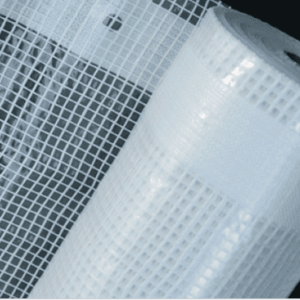
Monarflex scaffold sheeting is a high-quality, reinforced plastic sheeting solution, widely used across UK construction sites to provide reliable weather protection and effective site containment. Manufactured with a strong polyester scrim core sandwiched between layers of low-density polyethylene (LDPE), it offers excellent resistance to tearing, UV degradation, and harsh weather conditions. Monarflex sheeting also complies with key British Standards, including BS 7955:1999 and BS 8410:2007, ensuring performance and peace of mind on site.
At West Sussex Scaffolding, we stock a premium range of Monarflex scaffold sheeting, including standard, fire-retardant, and TS62 Powerclad flame-retardant options, available in 45m lengths with either 2m or 3m widths. These products are suitable for projects of all sizes — from small residential extensions to large-scale commercial developments. Whether you need to maintain productivity during wet weather, contain dust and debris, or enhance safety around high-risk areas, our Monarflex solutions deliver dependable performance, backed by local expertise and fast UK delivery or collection from our Aldingbourne yard.
Monarflex is trusted by professional scaffolders, contractors, and DIY users alike for its outstanding combination of strength, versatility, and regulatory compliance.
Feature | Standard Monarflex | Fire-Retardant Monarflex | TS62 Powerclad Flame-Retardant |
Primary Use | General weather protection, short to medium-term projects | Enhanced safety where fire risk is a concern | High-risk sites requiring strict flame-retardant compliance |
Material Construction | Reinforced polyester scrim + LDPE layers | Reinforced with flame-retardant additives | Advanced flame-retardant formulation |
Compliance | BS 7955:1999, BS 8410:2007 | BS 7955:1999 + fire-retardant standards | TS62 / Powerclad certified |
Roll Length | 45m | 45m | 45m |
Available Widths | 2m or 3m | 2m or 3m | 2m or 3m |
Key Benefit | Cost-effective, reliable UV & weather resistance | Self-extinguishing properties | Superior flame resistance & containment |
Ideal For | Low-rise, standard builds | Commercial, refurbishment projects | High-rise, public-facing, or regulated sites |
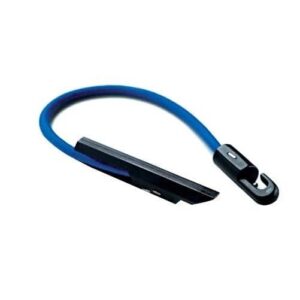
All rolls are supplied in white (standard colour) and can be secured using our high-quality bungee ties (available in packs of 100), designed to relieve wind pressure and prevent damage in gusty conditions.
Monarflex is a reinforced plastic sheeting system attached to scaffolding frameworks to create a protective barrier. It safeguards workers and materials from adverse weather, contains dust/debris, reduces noise escape, and improves overall site security and productivity.
Unlike permeable debris netting (which allows airflow and visibility), Monarflex provides full enclosure for superior weatherproofing, dust control, and privacy. It increases wind loading on the scaffold, so proper fixing and engineering checks are essential.
Standard versions offer basic resistance, but we supply dedicated fire-retardant and TS62 Powerclad options that are self-extinguishing and meet stringent flame-propagation standards, ideal for sites near occupied buildings or with hot works.
We provide 45-metre-long rolls in either 2m or 3m widths/heights to match most scaffold configurations. Select your preferred type and size when ordering online.
Installation requires trained personnel and a risk assessment. It is typically fixed using patented eyelets, bungee ties, or specialist fixings to the scaffold tubes. Professional installation is strongly recommended to ensure stability and compliance.
Yes, collection is available Monday–Friday from our Aldingbourne, West Sussex yard (subject to stock). Nationwide delivery is offered, with lead times of 2–5 business days. Contact us for a quote.
Monarflex scaffold sheeting installation requires careful planning, trained personnel, and adherence to current UK scaffolding regulations (e.g., TG20:21, BS EN 12811) and manufacturer guidelines. Monarflex is a solid, reinforced sheeting that significantly increases wind loading on the scaffold structure compared to netting, so the scaffold must be specifically designed or assessed by a competent person to handle the additional loads before installation begins.
Installation is not a DIY task for untrained individuals; always use qualified scaffolders or supervised teams. Incorrect fixing can lead to sheeting failure, scaffold instability, or safety risks in high winds.
Monarflex is usually applied horizontally (lift by lift) on the outside of the scaffold for optimal weatherproofing and debris containment, though vertical application is possible in some cases.
Monarflex is designed for temporary use, with standard variants suitable for projects lasting 6–12 months under moderate conditions. Premium Super T-Plus or flame-retardant options can withstand longer exposures of up to 18–24 months when correctly fixed and adequately maintained. Actual lifespan depends on factors such as UV exposure, wind gusts, and quality of installation. Regular inspections help extend service life by identifying and addressing minor tears early. For longer-term projects, it is recommended to consider periodic replacement or upgrading to higher-grade variants to ensure continued performance and safety.
Inspect fixings weekly (or after storms) for looseness or wear, and check sheets for tears, punctures, or excessive flapping. Clean lightly with soapy water if dust buildup occurs; avoid abrasive cleaners or high-pressure washing, as these could damage the LDPE layers. Replace damaged sections promptly to maintain weatherproofing and containment. In high-wind areas, denser fixing spacing may be needed over time.
Monarflex offers reusable potential (if undamaged), easier partial removal/adjustment, and built-in eyelets for quick scaffold attachment, making it ideal for reusable scaffolding setups. Shrink wrap provides a tighter, more seamless seal with superior airtightness for extreme dust/paint containment but is single-use, requires specialist application tools (heat guns/torches), and can be more labour-intensive. Monarflex is generally more cost-effective and scaffolder-friendly for standard weather protection and debris control.
The white, translucent material transmits diffused natural light (typically 70–80% transmission, depending on variant), reducing the need for constant artificial lighting in enclosed areas; this improves visibility, worker morale, and energy efficiency compared to opaque tarps, while still providing complete privacy and containment.
Beyond general scaffold standards (TG20:21, BS EN 12811-1), this sheeting triggers requirements for wind load design (as it increases forces dramatically), dust/noise containment (COSHH/Environmental regs for hazardous works), and fire performance (BS 8414 or LPS 1207 for flame-retardant grades near occupied buildings). A competent person must confirm the scaffold’s capacity post-sheeting, and you should always obtain updated load assessments and keep records for HSE inspections.
Yes, many contractors opt for custom-printed Monarflex (logos, company names, contact details) using compatible inks on the outer surface. This turns your site enclosure into effective, high-visibility advertising while maintaining full functionality.
Elastic fixings (bungee ties or Anchor & Strap systems) are intentionally sacrificial, as they allow controlled detachment at designed wind thresholds (e.g., gusts of ~40–77 mph, depending on grade and fixing) to prevent scaffold overload or structural damage. This is a safety feature per the manufacturer’s design, not a fault. In exposed locations, choose higher-spec fixings and consult engineers for site-specific wind speed ratings.
Flame-retardant and higher-grade variants (e.g., TS62 Powerclad) are commonly used for negative pressure enclosures in asbestos abatement, lead paint removal, or sandblasting, as they provide excellent dust/debris sealing when overlapped, taped, and appropriately vented. Always follow HSE guidance (e.g., HSG210 for asbestos) and ensure ventilation systems are integrated.
Aspect | Monarflex (Reinforced Sheeting) | Debris Netting (Permeable) | Shrink Wrap / Heat-Shrink |
Weather Protection | Full enclosure – excellent rain/wind/snow resistance | Minimal – allows wind/rain through | Excellent – airtight seal |
Dust/Debris Containment | High (solid barrier) | Medium (mesh catches larger items) | Very high (seamless) |
Light Transmission | Good (translucent white) | High (open mesh) | Low (often opaque) |
Wind Load Impact | High – requires scaffold redesign | Low – minimal added load | High – similar to solid |
Reusability | High (if undamaged) | High | None (single-use) |
Installation Speed | Fast with standard fixings | Very fast | Slower (needs heat tools) |
Cost per Project | Medium | Low | Medium-High |
Best For | Weatherproofing, dust control, reusable setups | Fall/debris catch only | Extreme containment, short-term seals |
Fixing Type | Break Load (approx.) | Recommended Use | Max Wind Speed Resistance (tested/guideline) | Typical Spacing (for moderate sites) |
Standard Bungee Ties | ~45–50 kg | General/low-wind projects | Up to ~40 mph gusts | Every 300–600 mm |
Flexities / Elastic Straps | ~45–75 kg | Standard Monarflex variants | Moderate (up to 50–60 mph) | 400–600 mm |
Anchor & Strap System | ~75–165 lb (34–75 kg) | High-wind or premium grades (e.g., Super T-Plus) | Up to hurricane levels (~77 mph tested) | Denser in edges/corners (200–400 mm) |
Rigid / Non-Elastic | High | Not recommended (risk of scaffold damage) | N/A – avoid for solid sheeting | N/A |
Notes: All values approximate from industry sources; actual performance varies by site exposure, scaffold design, and overlap. Always engineer-assess for your project.