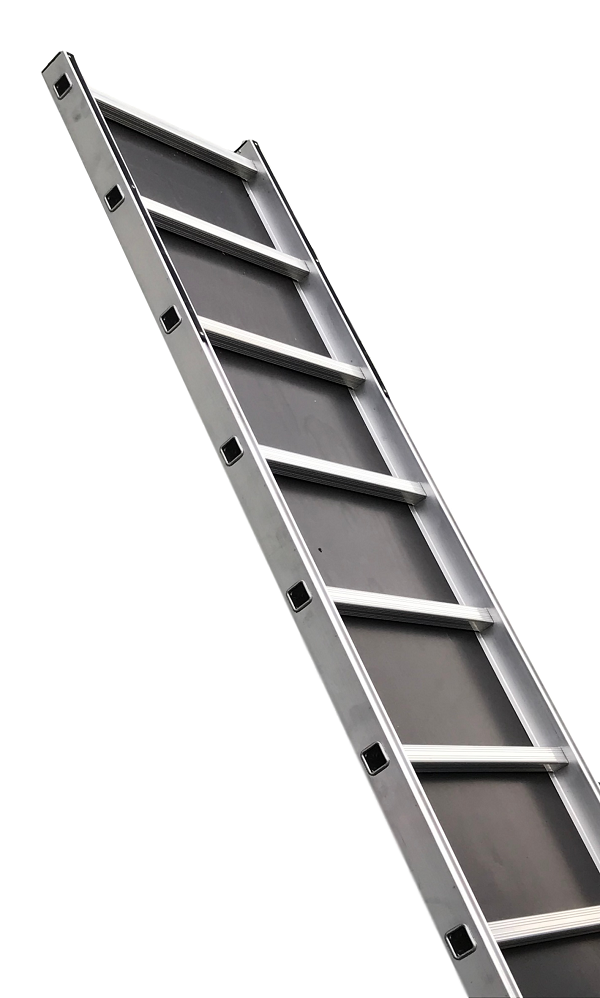
Staging boards, commonly known as Youngman boards or lightweight working platforms, are portable, rigid platforms engineered to provide a safe and stable elevated workspace. They excel in situations where traditional ladders or stepladders are inadequate, offering a much larger, freer area for workers, tools, and materials. Unlike simple timber scaffold boards, which are bare wooden planks integrated into full scaffolding structures, staging boards feature a lightweight aluminium frame and non-slip marine plywood decking. This design delivers superior stability, excellent weather resistance (thanks to rot-resistant, boil-proof plywood often coated with phenolic mesh), and enhanced durability for repeated use.
These platforms are widely used across various sectors, including construction, building maintenance, painting and decorating, plastering, electrical installations, roofing, gutter cleaning, window replacements, rendering, and even temporary setups for events, festivals, or entertainment. Their all-in-one nature allows quick assembly on supports such as builders’ trestles, mobile access towers, or traditional tube-and-fitting scaffolding, without requiring extensive additional components.
Choosing the correct size is essential for maintaining safety, maximising efficiency, and ensuring full compliance with relevant standards, such as BS 2037 Class 1 certification, which guarantees professional-grade performance. An improper size can result in instability, excessive deflection under load, overloading risks, or challenges in handling and transportation. This detailed guide provides practical, factual insights to help you select the ideal staging board size for your specific requirements.
Understanding staging board dimensions
Staging boards are produced in standardised yet versatile sizes, with the main dimensions being length, width, and depth. Each influences portability, weight distribution, span capability, and overall usability.
- Length: The most critical dimension; lengths typically range from 2.5 metres to 6.0 metres. Standard increments include 2.5m, 3.0m, 3.05m, 3.6m, 3.65m, 4.2m, 4.8m, 5.4m, and 5.95m/6.0m. Length dictates the maximum span between supports. For safe use, maintain a minimum overhang of 150-300mm at each end (as per manufacturer guidelines and standards such as BS 2037). Shorter lengths (2.5m–3.6m) suit confined indoor spaces, quick setups, or low-level tasks, while offering lighter weight for easy manoeuvring and single-person handling in many cases. Longer lengths (4.8m–6.0m+) are perfect for bridging wider gaps, such as spanning entire rooms for ceiling work, large wall areas, or outdoor maintenance jobs; however, they require robust, properly spaced supports (e.g., trestles) to avoid sagging and ensure the board is level.
- Width: Standard options are 450mm (narrower, more common for general use) or 600mm (wider for enhanced workspace). The 450mm width is lighter and more portable, making it ideal for solo operators, tight access areas, or when minimising weight is key. The 600mm width provides significantly more standing room, allowing better movement, space for tools, or even multiple users side-by-side, which boosts productivity on demanding sites. Wider boards also improve overall stability, particularly when transporting materials across the platform.
- Depth (or profile height): This increases with length for added structural rigidity, and is typically around 7cm (70mm) for boards up to 4.2m, and 10cm (90–100mm) for longer ones (4.8m+). Deeper profiles reduce flex and deflection under load, crucial for extended spans.
Weights scale with size: A compact 2.5m x 450mm board weighs about 13kg, while a full 6.0m x 600mm board can weigh up to 36kg. Larger boards often require two-person lifting to prevent strain or damage.
When planning your setup, assess the total platform area needed. A single board works for basic access, but placing two 450mm staging boards side-by-side on a 900mm-wide trestle creates a broader, more versatile working surface.
Key factors influencing size selection
Match the board to your project by evaluating these core considerations:
- Load capacity and intended usage. Standard staging boards are rated for a maximum safe working load of 270kg evenly distributed, compliant with BS 2037 Class 1; the highest UK standard for professional use. While the rating is consistent across sizes, practical performance varies: longer and wider boards better distribute weight for heavier tools, equipment, or multiple workers (often supporting up to three people safely). For light DIY tasks like painting or minor repairs, smaller sizes suffice. Industrial or commercial applications with substantial materials benefit from larger dimensions. Always cross-reference the manufacturer’s load charts and never exceed the limits.
- Project type and work environment: Indoor, low-level jobs (e.g., home decorating, repairs) favour shorter, narrower boards for fast setup and minimal storage needs. Outdoor or large-scale commercial projects (e.g., building facades and roofing) often require longer spans for greater efficiency. The marine plywood’s weather and boil-proof properties, plus non-slip phenolic mesh, make these boards reliable in damp or variable conditions. However, larger sizes require secure, dry storage to prevent warping over time.
- Safety and regulatory compliance. Safety remains the top priority. Conduct thorough risk assessments, ensure installation by competent persons, provide safe access (e.g., via ladders or integrated steps), and wear appropriate PPE (hard hats, gloves, steel-toed boots). For work above 2 metres, incorporate handrail systems available as single- or double-sided kits with aluminium posts and tubes, plus timber planks as toeboards. Regulations (including BS 2037 and HSE guidelines) stress proper support spacing, secure placement, and fall prevention. Unsupported oversized boards pose serious hazards, while undersized ones can lead to instability or overloading.
- Material quality and system compatibility. The aluminium frame (with bearers spaced ~290mm apart), combined with the replaceable marine plywood decking, ensures longevity and repairability. Rubber end caps and grip inserts add durability. These boards integrate seamlessly with builders’ trestles, mobile aluminium towers, or traditional scaffolding. However, the boards’ dimensions must align with the support widths (e.g., no more than two 450mm boards per standard trestle). Avoid makeshift uses, such as ramps or benches, to preserve the integrity of the structure.
Standard sizes and their practical applications
- 2.5m x 450mm (~13kg): This length is ultra-portable and lightweight, perfect for quick DIY jobs like wallpapering, minor home repairs, or tight indoor access.
- 3.6m x 600mm (~18kg): This is a versatile mid-range choice, offering good coverage and stability for medium projects such as painting large rooms, window installations, or general maintenance.
- 4.8m–6.0m x 450mm/600mm (28–36kg): These are heavy-duty options for extensive tasks, including roofing, industrial maintenance, bridging wide spans, or commercial builds requiring ample workspace.
However, if you’re weighing up different working-at-height options, read our comparison: scaffold towers vs staging boards to see which system best suits your needs in terms of mobility, setup time, and working platform.
Tips for making the right choice
Begin by accurately measuring your workspace, support spacing, and required span. Prioritise quality-certified products to ensure reliability; cheaper alternatives may compromise safety. Account for transport logistics, as longer boards often need roof racks or vans. Invest in accessories, such as handrails, for elevated work. Refer to the manufacturer’s detailed load and span charts, or seek expert advice if unsure. Perform regular inspections to check for wear, especially on the replaceable plywood deck.
In summary, selecting the right staging board size requires carefully balancing your project’s span needs, load demands, safety obligations, environmental factors, and practical handling against the available length, width, and depth options. Making an informed choice creates a secure, productive workspace that enhances both efficiency and peace of mind. Ready to equip your next project? Shop our selection of staging boards for sale to find high-quality, compliant working platform options tailored to your requirements.