



Checkout to get your delivery cost
Based in West Sussex
Trusted by customers
Discounts on large orders
£2.95 ex. VAT
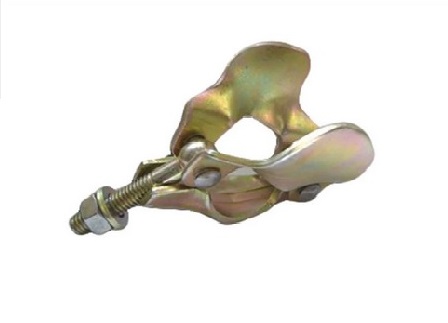
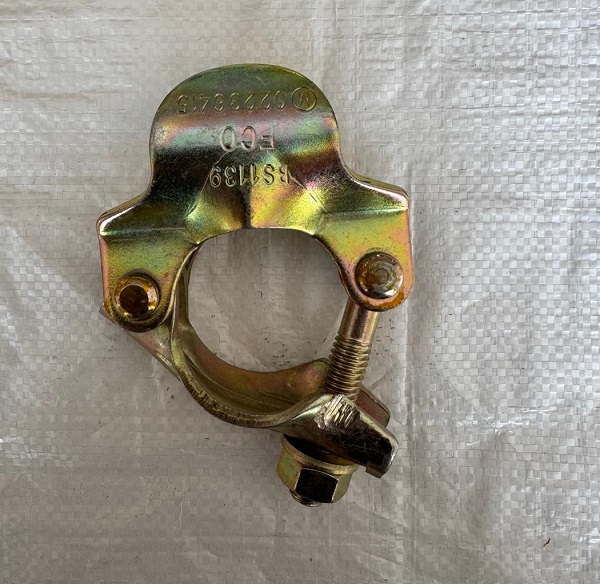
The Oyster coupler is an essential scaffold fitting used to create seamless, level platforms on construction sites. This pressed-steel connector joins transom or putlog tubes to ledger tubes at a perfect right angle, ensuring scaffolding boards sit as a flush platform without raised lips or gaps that could cause trips. Compatible with standard 48.3mm diameter scaffold tubes, it also accommodates wooden battens up to 50mm wide for hybrid setups. Weighing just 0.7kg, it’s lightweight yet robust, galvanised for corrosion resistance, and non-load-bearing to focus on platform stability. Ideal for builders seeking safety and efficiency, it meets BS 1139 standards for peace of mind.
Checkout to get your delivery cost
Sussex Depote
Trusted by customers
Best prices
If you’re in the scaffolding game, you know how crucial it is to have fittings that make your job easier and safer. The Oyster Coupler stands out by providing a clean, flat connection that eliminates those annoying uneven surfaces on working platforms. Unlike bulkier alternatives, this clever design clamps the transom level to the ledger, allowing boards to rest perfectly flat. It’s perfect for pros who value quick assembly and long-lasting performance in tough outdoor conditions. Whether you’re erecting temporary structures or customising platforms, this fitting delivers reliability without the extra weight or hassle. Built from high-quality pressed steel with a protective galvanised finish, it resists rust and wear, saving you time and money on replacements. Customers love how it seamlessly integrates timber elements, opening up options for mixed-material builds. At an affordable price point, it’s a smart addition to any toolkit, backed by industry standards to ensure you’re always compliant.
Feature | Details |
Material | Pressed galvanised steel |
Weight | 0.7kg |
Tube Compatibility | 48.3mm diameter scaffold tubes |
Batten Support | Up to 50mm wide wooden battens |
Connection Type | Fixed a 90-degree right angle |
Load Capacity | Non-load-bearing |
Finish | Galvanised for corrosion resistance |
Installation | Nut and bolt with a scaffold spanner |
Standards Compliance | BS 1139 and BS 2482:2009 |
The Oyster Coupler shines in scenarios where a smooth, obstruction-free platform is key. It’s commonly used in general construction to connect transoms to ledgers, allowing scaffold boards to lay flat and remain secure. Event staging pros rely on it for temporary platforms that need to support lighting or sound equipment without wobbles. In renovation projects, it excels at attaching tubes to timber joists, creating sturdy hybrid scaffolds for awkward spaces like lofts or extensions. Maintenance teams appreciate it for facade work, where it helps build level walkways without adding unnecessary load. Not ideal for bracing or heavy-duty supports, stick to dedicated couplers for those, but it’s a go-to for non-structural platform enhancements that prioritise worker mobility and safety.
Safety comes first with the Oyster Coupler. Always torque it to 40-50 Nm using a proper scaffold spanner to prevent slippage or over-tightening, which could damage threads. Inspect fittings daily, especially after vibrations from heavy use, and ensure the primary scaffold structure uses load-bearing components. This coupler complies with BS 1139 for manufacturing quality and BS 2482:2009 for timber scaffolding specs, giving you confidence in its performance. It’s not meant for load-bearing roles, so pair it with doubles or swivels where strength is critical. For best results, align tubes precisely before clamping to maintain that flush finish and avoid hazards. Regular checks for corrosion or wear will extend its life, keeping your site compliant and accident-free.
While a double coupler handles loads and connects tubes securely, the Oyster focuses on creating a flush joint for flat boards—it’s lighter and specialised for platform levelling, not heavy support.
Yes, as long as they’re 48.3mm diameter, but test torque carefully to avoid damaging the softer material. Steel tubes are the standard match for optimal grip.
Yes, it’s a simple two-part clamp with a nut and bolt. Just position the tubes, tighten evenly, and you’re set. No special tools beyond a spanner.
Typically two per transom (one per end) for a standard 2.5-3m lift, but adjust based on your layout and board spans.
No, it’s fixed at 90 degrees. For angles, opt for swivel couplers instead.
Yes, that’s one of its strengths. It securely clamps wooden battens or joists (up to 50mm wide) to 48.3mm scaffold tubes, making it popular for hybrid timber/steel platforms, temporary staging, or for fixing to existing wooden structures such as roof trusses or floor joists.
They work best in traditional tube-and-coupler setups with 48.3mm diameter scaffold tubes. In system scaffolds, transoms often use built-in fittings, so oyster couplers are less common, but they can adapt hybrid or temporary sections if the tube diameters match.
Aim for 40-50 Nm using a standard scaffold spanner. This ensures a firm grip without stripping threads or deforming the pressed steel. Always tighten evenly on both sides if applicable, and re-check after initial loading or movement.
Yes, its full galvanisation provides excellent rust resistance, making it reliable in wet, coastal, or long-term exposed conditions. Just perform regular visual inspections for any damage or excessive wear, as with all fittings.


Reviews
There are no reviews yet.