


Checkout to get your delivery cost
Based in West Sussex
Trusted by customers
Discounts on large orders
£42.00 – £55.00Price range: £42.00 through £55.00 ex. VAT
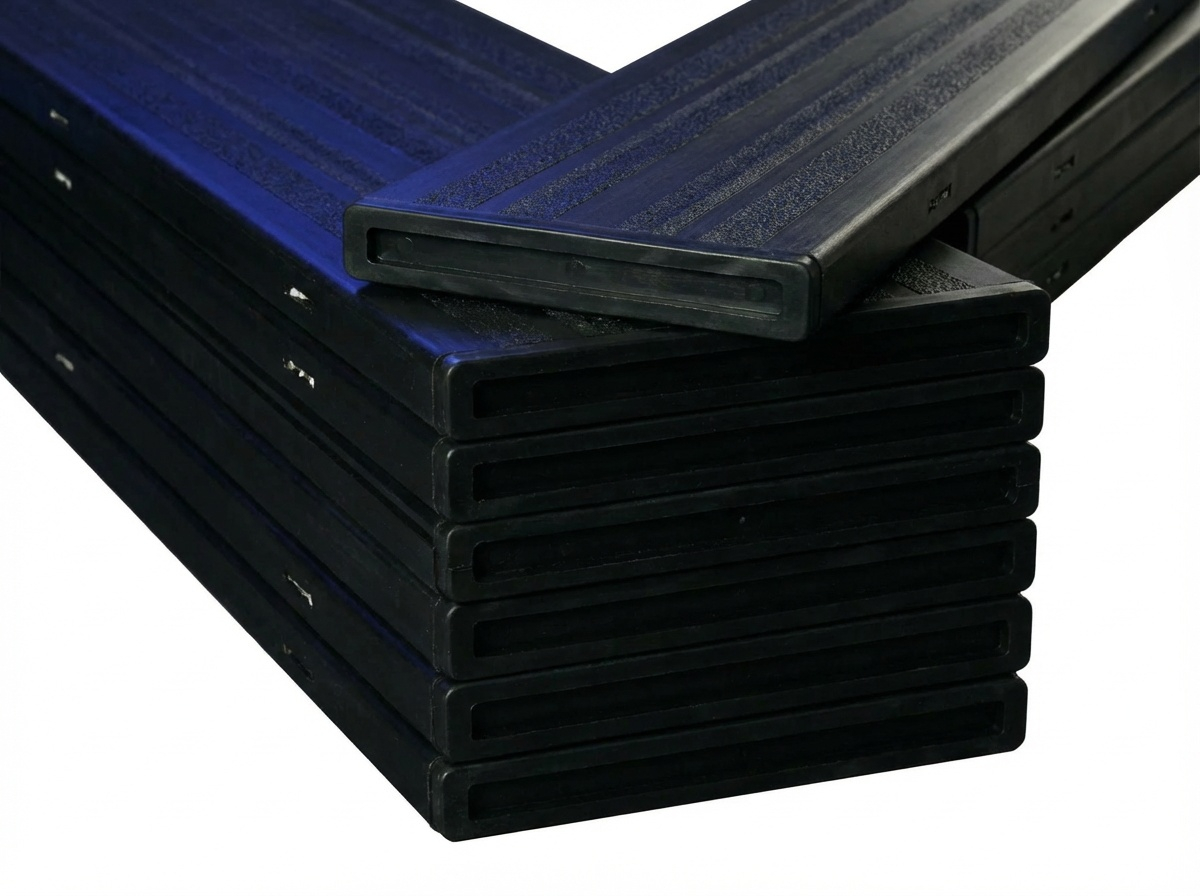
Our plastic scaffold boards provide strong, stable support for construction, maintenance, and industrial work. Made from high-grade recycled composite materials, they offer a safe, sustainable alternative to traditional timber planks.
Available in 8 ft, 10 ft, and 13 ft, these boards fit a variety of scaffolding setups, ensuring stability and ease of use on-site. Compliant with BS 2482 and TG20 guidelines, they are built to withstand demanding environments while keeping workers safe.
Ideal for contractors, builders, and DIY enthusiasts, these boards reduce downtime, require minimal maintenance, and deliver long-lasting, eco-friendly performance.
Checkout to get your delivery cost
Sussex Depote
Trusted by customers
Best prices
Plastic scaffold boards offer a smarter alternative to timber, combining durability, safety, and sustainability.
Long-Lasting & Weather-Resistant: Resists cracking, warping, and rotting for extended service life.
Lightweight & Easy to Handle: Reduces strain and speeds up installation.
Eco-Friendly: Made from recycled materials for sustainable building practices.
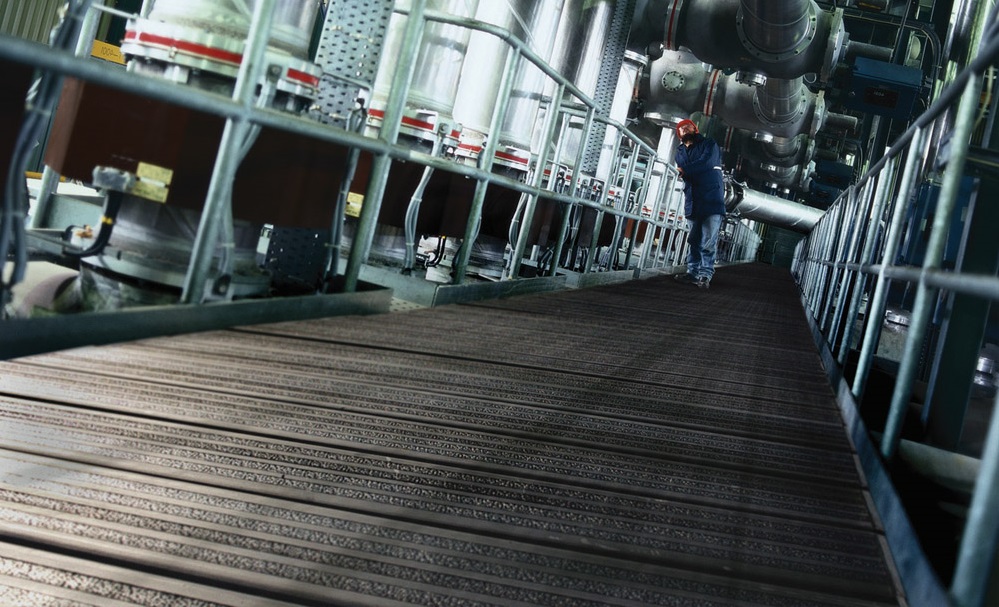
Safe & Non-Slip: Textured surface and end protectors enhance grip in all conditions.
Versatile & Low Maintenance: Suitable for sensitive environments and easy to clean; no painting or sealing required.
Durable, reliable, and cost-effective, these boards boost efficiency and safety on every job.
| Feature | Plastic 8ft (2.4m) | Plastic 10ft (3.0m) | Plastic 13ft (3.9m) | Traditional Timber Boards (Typical) |
|---|---|---|---|---|
| Width × Thickness | 225 mm × 45 mm | 225 mm × 45 mm | 225 mm × 45 mm | Similar (often 225 × 50 mm or 38 mm) |
| Weight (approx.) | 10 kg | 12 kg | 16 kg | 18–25 kg (heavier, varies by species) |
| Max Clear Span | 1.5 m | 1.5 m | 1.5 m | 1.2–1.8 m (often less reliable over time) |
| Uniform Load Capacity | Up to 4 kN/m² | Up to 4 kN/m² | Up to 4 kN/m² | Similar nominal, but degrades faster |
| Recommended Supports | Min. 3 transoms | Min. 3 transoms | Min. 4 transoms | Varies (more frequent checks needed) |
| Material | Recycled polymer composite | Same | Same | Natural wood |
| Lifespan | Extended (weather/rot resistant) | Same | Same | Shorter (prone to rot, cracking, splintering) |
| Maintenance | Low – washable, non-absorbent | Same | Same | High – sealing, frequent inspections |
| Environmental Impact | Recycled & reusable | Same | Same | Resource-intensive, less sustainable |
| Safety Features | Non-slip surface, no splinters | Same | Same | Risk of splinters, uneven wear |
| Temperature Range | -20°C to +45°C | -20°C to +45°C | -20°C to +45°C | Can crack/split in extremes |
Plastic scaffold boards are perfect for a wide range of scenarios, including:
For optimal use:
Following these guidelines ensures compliance with safety standards and extends the boards’ service life.
Quick Buying Guide
Project Type | Recommended Size | Why This Length? | Approx. Boards Needed (for 10m Lift) | Typical Use Case Example |
Small/compact jobs, access towers | 8ft (2.4m) | Easy handling, fits tight spaces | 5–7 per lift | House extensions, painting, maintenance |
Standard residential/commercial | 10ft (3.0m) | Balances coverage & weight | 4–5 per lift | New builds, refurbishments, facade work |
Larger industrial/long spans | 13ft (3.9m) | Maximises platform area, fewer joints | 3–4 per lift | Warehouses, bridges, high-rise exteriors |
Pro tip: Mix sizes for efficiency – e.g., 10ft main runs + 8ft/13ft fillers. Bulk buys save on delivery!
High-quality recycled polypropylene and elastomer blends for strength, flexibility, and long-term durability.
Yes, plastic scaffold boards are fully compatible with steel tube scaffolding systems, builder’s trestles, when creating working platforms, system scaffolds, and the most common frameworks used in the UK and Europe.
Maintenance is minimal. Simply rinse with water or use a mild, non-abrasive cleaner. No painting, sealing, or special treatments are required.
Yes, our plastic scaffold boards are certified to BS 2482:2009 and fully compliant with TG20:21 guidelines for load-bearing capacity, stability, and safe working platforms.
With proper use and care, these boards typically last 5–10 years or more.
Yes, they perform reliably across a wide range from -20°C to +45°C without cracking, becoming brittle, or losing structural integrity.
Up front, plastic boards usually cost more than standard timber boards due to their advanced composite materials and manufacturing. However, they often work out cheaper in the long term because of their much longer lifespan, zero rot issues, minimal maintenance, and reduced replacement frequency. Many contractors see payback within 1–2 years of regular use.
They excel in wet weather thanks to their non-absorbent surface — unlike timber, they don’t swell, warp, or lose strength when soaked. The textured non-slip top provides a reliable grip even when wet. In icy conditions, standard versions may still become slippery (like any surface), so use appropriate anti-slip precautions or footwear as per site risk assessments.
While designed primarily for temporary scaffolding platforms, many customers successfully repurpose them for semi-permanent applications such as site walkways, storage platforms, or even garden decking frames (with proper support). They’re not intended as a direct replacement for aesthetic outdoor decking boards, but their durability makes them excellent for utilitarian, heavy-duty uses.
They have very low thermal expansion compared to some other plastics or untreated timber. The material is engineered to remain dimensionally stable across the rated temperature range (-20°C to +45°C), so gaps or buckling issues are minimal when installed correctly.
Our plastic scaffold boards are formulated with fire-retardant properties and typically achieve a better fire classification than untreated timber in many scenarios. They won’t support combustion as readily as dry wood and are often preferred in environments with fire risk (e.g., refurbishments near occupied buildings). Always check the latest certification for your specific project requirements.
Store them flat or on edge in a dry, shaded area to prevent unnecessary UV exposure over very long periods (though they’re UV-stabilised). Avoid stacking too high without support to prevent bowing, and keep them off direct ground contact to stay clean. No special covers or treatments are needed.
Yes, to comply with TG20 and maintain safe load distribution, use at least 3 transoms for 8ft and 10ft boards, and at least 4 for 13ft boards (with a maximum clear span of 1.5 m). Always follow your scaffold design/load class and never exceed the board’s rated capacity.
Minor surface scuffs or abrasions don’t affect structural integrity and can be cleaned up. However, if there’s significant cracking, deep cuts, or deformation (especially at the ends), the board should be removed from service. Unlike timber, plastic boards can’t be planed or sanded down extensively without compromising strength — replacement is usually the safest option.
Yes, they’re made from recycled polymers and are themselves recyclable at specialist facilities. This closed-loop aspect makes them a more sustainable choice than timber (which often ends up as waste) or steel (higher embodied energy).
| Length | 8ft (2.4m) Board, 10ft (3m) Board, 13ft (3.9m) Board |
|---|


Reviews
There are no reviews yet.