

Checkout to get your delivery cost
Based in West Sussex
Trusted by customers
Discounts on large orders
£55.00 ex. VAT
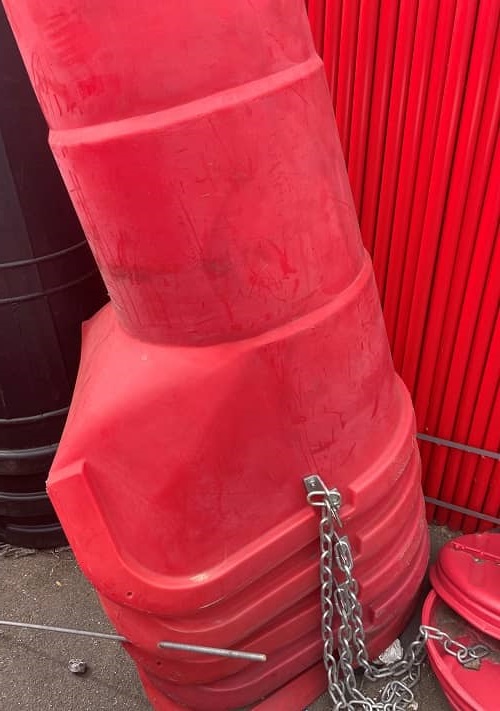
The 20″ Rubbish Chute Top Hopper is a critical component for scaffolding contractors, builders, and demolition teams working on multi-storey projects across the UK. Serving as the primary entry point of a rubbish chute system, it is designed to funnel waste smoothly into connected chute sections, reducing debris scatter, minimising cleanup, and maintaining safe exclusion zones below.
Manufactured from durable, UV-stabilised high-density polyethylene, the hopper offers excellent resistance to impact and weathering while remaining lightweight for easy handling, hoisting, and positioning on site. Its flared opening guides wheelbarrow loads, loose rubble, plaster, brick fragments, and similar waste directly into the chute with minimal risk of overspill, supporting efficient workflows and safe working practices at height.
Checkout to get your delivery cost
Sussex Depote
Trusted by customers
Best prices
The hopper connects securely to standard 20-inch (500 mm) chute sections using integrated galvanised steel chains. As an Aldingbourne-based supplier, we offer UK delivery within 2–5 business days, along with convenient same-day or priority collection from our West Sussex yard when project timelines are tight.
Attribute | Specification Details |
Product Name | 20″ Rubbish Chute Top Hopper. |
Compatibility | Standard 20-inch (500 mm nominal) chutes. |
Entry Type | Vertical top loading. |
Material | UV-stabilised high-density polyethylene (HDPE). |
Colour | High-visibility red. |
Approximate Weight | ~10 kg. |
Attachment Method | Galvanised steel chains. |
Effective Vertical Span | 1.1 m. |
Design Highlights | Flared inlet rim, tapered outlet, reinforced structure. |
Benefit | Practical Site Impact |
Wide flared top opening | Simplifies tipping from wheelbarrows or buckets; directs waste centrally to avoid edge spillage. |
Rigid HDPE; built with UV protection. | Resists cracking, fading, and degradation in UK weather conditions over long projects. |
Lightweight for elevation | Easier to lift and install on the roof or high scaffold levels compared to heavier alternatives. |
Galvanised chain connections | Fast, tool-free linking to chute sections with a firm hold under load. |
High-visibility red | Stands out on scaffolds for quick location and hazard awareness. |
Smooth internal flow design | Promotes consistent debris descent, reducing blockages and system downtime. |
It acts as the primary intake at the highest point of the system, collecting and guiding waste into the vertical chute sections below. This helps contain debris at the source and prevents material from falling freely out of the chute.
The top hopper is optimised for vertical loading at the uppermost level (e.g., roof or top scaffold platform), while the side-entry models allow horizontal access at intermediate floors. Many complete systems use both for maximum flexibility across heights.
Yes, it’s built to industry-standard 20-inch dimensions and chain connections, making it interchangeable with most UK-available 500 mm rubbish chute components.
It manages typical construction and demolition materials like rubble, bricks, concrete pieces, plaster, timber offcuts, and general site waste. Avoid overloading with extremely heavy single items; feed gradually to maintain a controlled flow.
Connect it firmly to the first chute section using the supplied galvanised chains. For added stability at height, use a compatible scaffold fixing frame or ties (sold separately). Conduct visual checks before each shift and follow your site’s method statement.
Routine hosing to remove dust buildup is usually sufficient. The material withstands most site chemicals and impacts; store it stacked in dry conditions when not in use to extend its lifespan.
Definitely, adding side entry points at lower levels creates a multi-access chute, allowing waste to be disposed of from various floors without carrying materials to the top each time.
For most mid-height projects (up to 3–4 storeys), start with 5–10 sections of 1.1 m chutes plus one top hopper and an outlet. Taller structures may require 15+ sections with intermediate bracing or side entries for efficiency.
While the chains provide a secure connection to the chute below, we strongly recommend a dedicated scaffold fixing frame for stability at height – especially in windy conditions or on exposed elevations common in coastal sites.
Blockages are rare with gradual loading, but if they occur, stop use immediately, clear from the bottom outlet upward, and inspect the hopper rim and chute joints for any buildup. Avoid forcing large items through the inlet.
Yes, the UV-stabilised polyethylene resists moisture, frost, and temperature changes typical of UK winters. Just ensure the chute system is free-draining and not overloaded with saturated heavy waste to prevent excess weight.
It creates a contained pathway for debris to reach ground-level skips, eliminating the need to carry or lower materials manually over edges. This significantly reduces fall-from-height risks and falling-object hazards when combined with proper exclusion zones.
For optimal performance, consider our universal fixing frame for secure scaffold attachment and additional 1.1 m chute sections. If your project has multiple working levels, adding one or more side entry hoppers creates a more versatile system.
Aspect | Guidance for Top Hopper Use |
Primary Placement | Install at the highest scaffold level as the main entry for vertical waste feed. |
Recommended Fixing | Use a universal scaffold fixing frame or ledger clamps to fasten the top section securely. |
Chain Connection Steps | Link the galvanised chains to the first 20″ chute below; ensure even tension on all sides. |
Height Adjustment Tip | Position the hopper so the inlet sits level with the edge of the working platform for the easiest tipping access. |
Compatible Components | Pairs with 1.1 m standard chute lengths, side entry hoppers (for multi-level access), and outlet sections. |
Tools Typically Needed | Basic hand tools only – no specialist equipment required for basic assembly. |
Pre-Use Check | Inspect the chains, rim integrity, and attachment points daily before loading begins. |
Project Type | Why This Top Hopper Fits Well | Typical System Length Recommendation |
Residential Refurbishments | Clean, controlled entry for lighter internal waste (plaster, timber). | 5–15 metres (5–14 sections). |
Commercial High-Rise Builds | Reliable vertical feed from roof access; minimises external scatter. | 20+ metres with multiple fixings. |
Demolition & Strip-Outs | Handles mixed rubble loads efficiently at height. | 10–30 metres, depending on building. |
Extension & New Build Sites | Supports ongoing waste clearance without halting work. | Shorter runs (5-10 metres). |
Heritage/Restoration Work | Gentle on materials; reduces dust escape in sensitive areas. | 10–20 metres with side entries added. |
Purchase securely online with payment by card, PayPal, or bank transfer. Expect 2–5 working-day delivery UK-wide, or collect promptly from our Aldingbourne yard (call 0800 1337934 to arrange; open Mon–Fri, excluding bank holidays).
Reviews
There are no reviews yet.