

Checkout to get your delivery cost
Based in West Sussex
Trusted by customers
Discounts on large orders
£48.00 ex. VAT
Checkout to get your delivery cost
Sussex Depote
Trusted by customers
Best prices
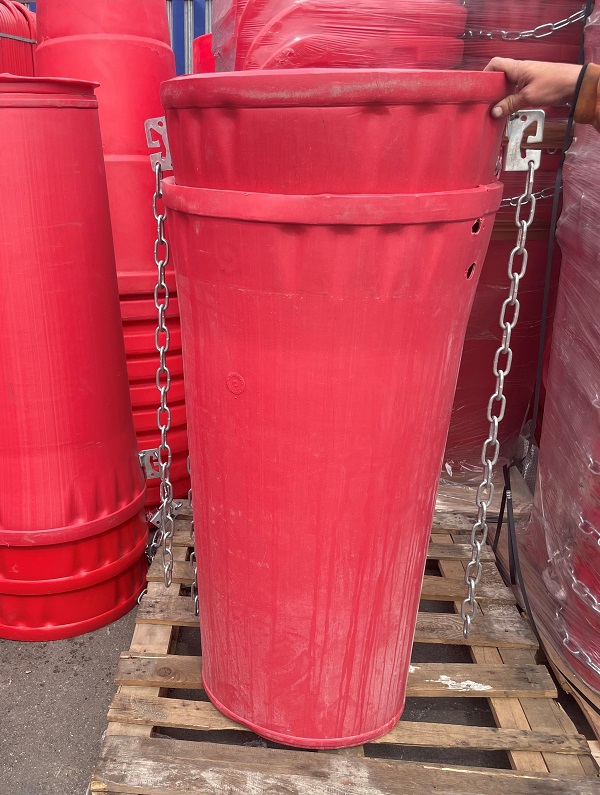
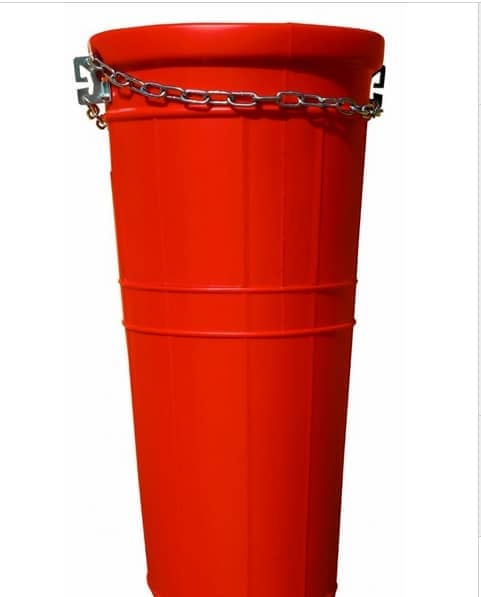
Keep your site clean and safe with our modular 1.1m rubbish chute sections. Designed to channel construction waste, plasterboard, bricks, and general debris straight from scaffolding heights into a skip or collection area, they make waste management quick, tidy, and effortless.
Built from tough, impact-resistant polyethylene (MDPE/HDPE), each section locks securely with overlapping joints, heavy-duty captive chains, and brackets – no tools required. The result? A smooth, continuous drop every time.
Used by contractors across the UK — from busy London sites to rural projects in Scotland and coastal builds in Cornwall — these chutes help cut dust, reduce manual handling risks, and keep your site fully compliant with modern safety standards.
These sections fit seamlessly into diverse projects where scaffolding provides access:
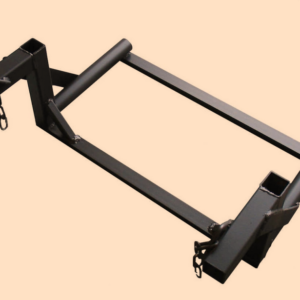
Combine with our top hopper, side-entry hopper or universal fixing frame for a complete, reliable system.
Specification | Detail |
Length per section | 1.1 m (effective working drop ≈1.0 m with overlap joints). |
Diameter (nominal) | 20 inches / ≈500 mm top opening; slight taper for flow. |
Material | High- or medium-density polyethylene (MDPE/HDPE) – tough, UV-stabilised. |
Wall thickness | Reinforced (typically 4–6 mm with wear-resistant ribs). |
Connection system | Captive chain & bracket – no loose fittings required. |
Weight per section | Approx. 8–10 kg (lightweight for transport and handling). |
Compatibility | Standard 20″ UK rubbish chute systems; fixes to scaffold tubes via universal frames or window brackets. |
Colour | Red to ensure it stands out on-site. |
Compliance support | Aids adherence to UK construction regs (e.g., safe debris handling under CDM 2015). |
For drops over 10–12 m (≈10–12 sections), add intermediate ties; contact us for advice on taller or exposed UK sites.
Aspect | With Modular Rubbish Chute | Manual Handling (Bags/Wheelbarrows) |
Disposal speed | Fast, continuous | Slow, repetitive trips |
Risk of falling debris | Very low (enclosed) | Higher exposure |
Dust & mess control | Strong suppression | Often significant |
Labour demand post-install | Minimal | High ongoing |
Regulatory fit | Excellent for height work | Frequently inadequate |
Our sections promote compliant waste disposal under:
Inspect before each use, avoid kinks or obstructions, and limit to suitable materials (no liquids, hazardous waste, or oversized items). We provide guidance during quotations to ensure site-specific safety.
An 8-yard or larger open skip is ideal for most jobs; centre the chute outlet and shield from wind where needed.
Estimate based on scaffold height plus 10–20% for overlaps. A 7 m drop usually needs 7–8 sections + hopper/frame.
Yes, each section is designed for standard construction debris (bricks, blocks, timber, plaster); avoid jamming items or excessive overloading.
Yes, the UV-stabilised material copes with rain, wind, and coastal conditions; use extra securing ties on high-wind sites.
Nationwide delivery is available (typical 2–5 business days); collection from our Aldingbourne, West Sussex yard is also offered. Minimum orders may apply for distant areas — call for a quote.
Material Type | Suitable? | Notes / Precautions | Alternative if Unsuitable |
Brick offcuts, small concrete pieces | Yes | Keep pieces under 200–250 mm to avoid jams; drop one at a time if large | Use a larger-diameter chute if frequent heavy rubble |
Plasterboard sheets/offcuts | Yes | Break into manageable sizes; avoid large pieces | Manually lower if oversized |
Timber offcuts, battens | Yes (small/medium) | Cut to <500 mm length; no protruding nails | Direct drop for long pieces |
Drywall/plaster dust | Yes | Excellent for dusty materials – reduces airborne spread | N/A |
Metal scraps (small) | Yes | Ensure no sharp edges that could cut the plastic over time | Use protective lining for heavy/abrasive metal |
Glass, tiles, sharp shards | Conditional | Wrap or bag first to prevent punctures/jams | Avoid or use a specialist heavy-duty chute |
Hazardous waste (chemicals, asbestos) | No | Prohibited – risk of contamination or damage | Use licensed waste carriers/containers |
Liquids, wet mortar | No | Can cause blockages, spills, or material degradation | Pump or sealed drums only |
Substantial/heavy items (e.g., full doors, baths) | No | Exceeds safe load/flow; risk of jam or chute damage | Crane or manual ground-level disposal |
For standard setups, limit to 10–12 sections (≈10–13 m total drop) to maintain stability and reduce blockage risk. Taller drops require intermediate bracing or ties to the scaffold.
Drop materials steadily rather than all at once; avoid overloading with large or interlocking items (e.g., long timber). Ensure the chute hangs straight and free of kinks. Regular visual checks during use help catch early issues.
Minimal – rinse with water after heavy use to remove residue, inspect for cracks/abrasion before each job, and store stacked indoors when not in use. The UV-stabilised material handles outdoor exposure well, but avoid prolonged storage in direct summer sun.
It’s not always mandatory, but HSE and CDM 2015 strongly recommend enclosed systems for debris from height to prevent falling-object risks (Work at Height Regulations 2005). Many principal contractors now specify chutes on sites over 2 storeys for compliance and insurance purposes.
Yes, using our universal fixing frame or compatible brackets – secure to stable ledgers or parapets. Always have a competent person verify anchorage and load path before use.
A typical 10 m setup (hopper + 9 sections + frame) weighs about 90–110 kg. The sections are lightweight (8–10 kg each) and stackable, making them straightforward to load/unload from vans and ideal for nationwide delivery or site-to-site moves.
Reviews
There are no reviews yet.